I Thought Forgetting Names Was Just Part of Getting Older. Then I Started Looking at What Brain Researchers Were Actually Studying.
It started with small lapses I could laugh off. What I found next changed the way I thought about my morning routine—and led me from familiar healthy-aging habits to a surprisingly simple area of brain research.

It began with ordinary things. A neighbor’s name that took a few extra seconds. Walking into the kitchen and losing the reason I was there. Reaching for a familiar word in the middle of a conversation and finding a blank space instead.
At first I made jokes about it. Everyone forgets things, right? But the moments became noticeable enough that I stopped brushing them aside and started reading about healthy aging.
I expected to find the usual advice—and I did: move your body, sleep well, stay socially engaged, eat a varied diet and keep learning. Those fundamentals still mattered most. But buried among the research was another subject I had barely heard anyone outside a laboratory talk about: the brain’s own rhythmic electrical activity.
That discovery sent me down a very different rabbit hole. Not a miracle cure, and not a substitute for medical care—just an intriguing line of research that eventually led me to add one remarkably easy ritual to my mornings.
U.S. adults age 45 and older report subjective cognitive decline, according to CDC data. Memory changes can have many causes, so significant or sudden changes deserve medical attention.
The foods already sitting in many healthy kitchens
There is no single “memory food.” But a varied eating pattern built around whole foods can provide omega-3 fats, choline, vitamins, minerals and plant compounds that support overall health.

Fatty Fish
Provides EPA and DHA omega-3 fats.

Blueberries
Colorful plant compounds and antioxidants.
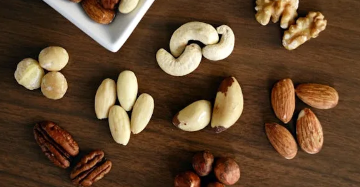
Nuts
Unsaturated fats, minerals and vitamin E.

Leafy Greens
Folate, vitamin K and carotenoids.

Eggs
A practical dietary source of choline.

Olive Oil
A familiar Mediterranean-diet staple.
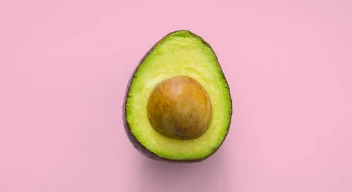
Avocado
Unsaturated fats, fiber and micronutrients.

Bananas
Vitamin B6, potassium and carbohydrates.

Honey
A sweetener best enjoyed in moderation.

Dark Chocolate
Cocoa contains flavanols; moderation matters.
Why brain rhythms—and sound—caught my attention
The brain is electrically active, and groups of neurons can show rhythmic patterns. Gamma-range activity is one area researchers study in connection with attention, perception and memory processes.
Another term that kept appearing was BDNF, short for brain-derived neurotrophic factor. It is involved in the health and plasticity of neurons. Exercise, sleep and other lifestyle factors are among the areas studied in relation to BDNF.
A short listening routine built around rhythmic audio
Researchers have long studied neural entrainment—the tendency of brain activity to synchronize, in certain ways, with rhythmic sensory input. That does not mean a consumer audio track has been proven to treat memory loss or neurological disease.
Find a quiet moment
Sit somewhere comfortable and free from distractions.
Use headphones
Listen to the layered rhythmic audio for the short session.
Make it routine
Consistency is the point; treat it as a wellness ritual, not treatment.
Small observations, not a laboratory result
Because individual experiences vary, I kept the expectations modest. The useful part was simply having a quiet daily ritual that was easy to repeat.
Pleasant and easy to fit into the morning. The biggest surprise was how little effort the routine required.
The habit was now automatic: coffee, headphones, twelve quiet minutes. No complicated steps to remember.
I kept using it because I enjoyed the routine. Any cognitive or wellness benefit is individual and should not be assumed from one person's experience.
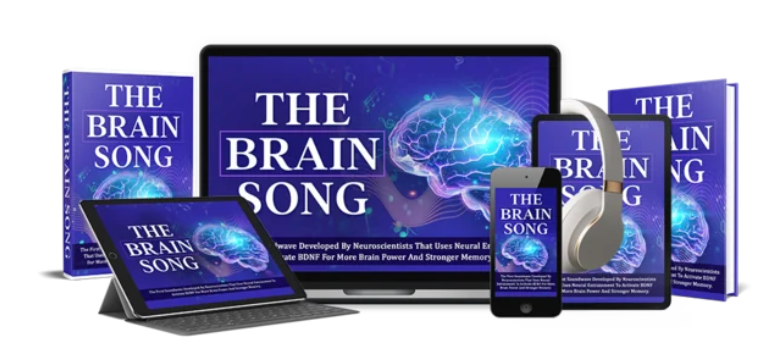
The Brain Song
After reading about rhythmic sensory stimulation, I came across this digital audio program built around a short at-home listening routine. It packages the idea into a simple format rather than asking the listener to build an audio session from scratch.
- Approx. 12-minute listening format
- Digital access—no physical shipment
- Designed for headphones
- Current price, contents and guarantee shown on the official offer page
What the science can—and cannot—say
The subjects behind this story are legitimate research areas: BDNF, gamma oscillations, neural entrainment, healthy aging, sleep and exercise. The existence of that research does not establish that this specific consumer audio program prevents, cures or treats cognitive disease.
- CDC — Subjective Cognitive Decline among adults age 45 and older.
- Peer-reviewed research on BDNF and its role in learning, memory and neuroplasticity.
- Research on gamma oscillations and cognitive processes.
- Reviews of auditory rhythmic stimulation and neural entrainment.
- Research on exercise, sleep and brain plasticity in older adults.
Common questions
Is The Brain Song a medical treatment?
No. It is presented as a consumer wellness audio program and is not intended to diagnose, treat, cure or prevent disease.
How long is the routine?
The featured routine is built around a short listening session of about 12 minutes.
Is anything shipped?
The offer is presented as a digital product. Confirm the exact contents and delivery details on the official offer page.
Where do I see the current price and guarantee?
Use the official offer link below to review the current price, billing terms, included materials and any applicable guarantee before purchasing.
Want to see the 12-minute routine for yourself?
Review the official presentation, current terms and product details before deciding whether it fits your routine.
See The Brain Song Official Offer →